
The opening scene of the drive movie (2011) is a masterclass in quiet tension. Ryan Gosling sits in a car. He waits. We wait. There is no music for a long time. When the call comes, he moves with perfect, calm precision.
Most modern action-thrillers do not wait like this. They start loud and get louder. They use shaky cameras and quick cuts to keep you on edge. But after a while, this approach just leaves you feeling tired and numb. You forget the movie as soon as the credits roll.
Drive does the opposite. And that is why it works so well.
This film operates like a flow movie, where every shot, sound, and word moves in perfect sync. It trusts you to pay attention. Critics at Metacritic call it a story that is both "emotionally engaging and almost sickeningly suspenseful."

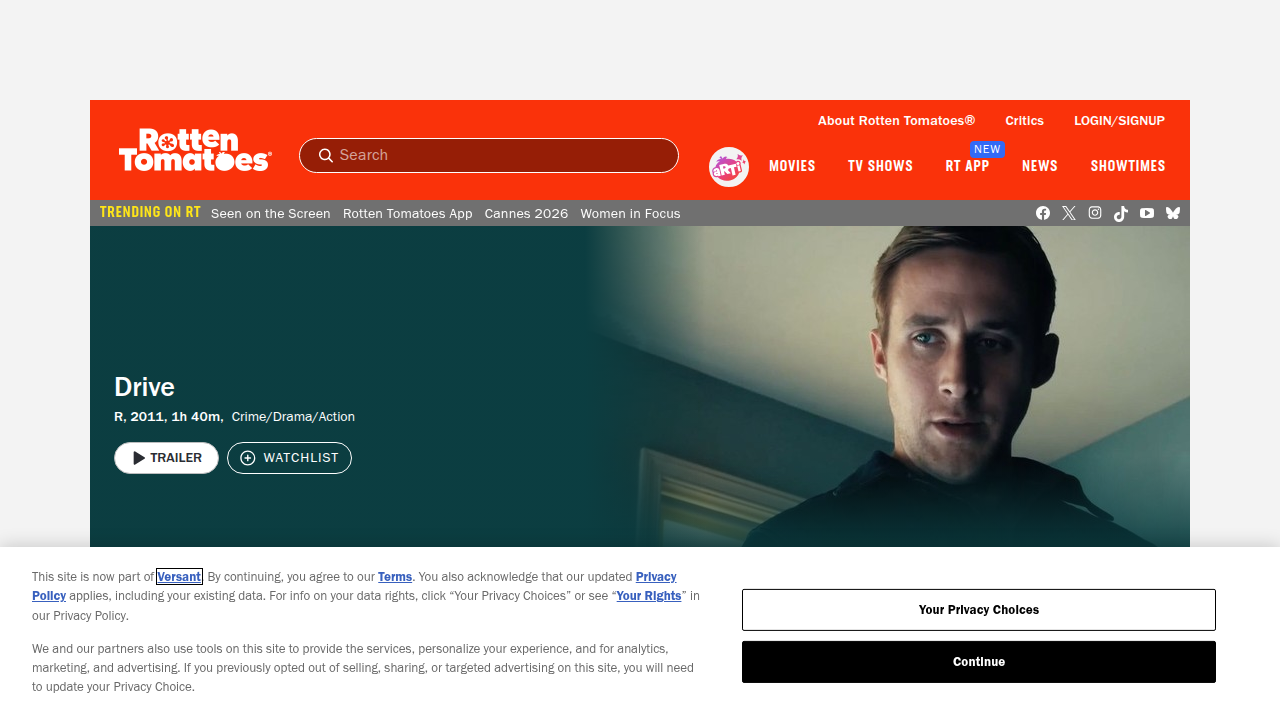
Over at Rotten Tomatoes, reviewers praise it for its "hyper-stylized blend of violence, music, and striking imagery."
This is not just an action movie. It is arthouse action.
Yorkshire Magazine calls it an "intense character study" where Ryan Gosling says so much without really saying very much at all. That is the secret power of this film. It uses silence and slow stares instead of fast talk and explosions.
If you love the careful, stylish world of Drive, you are the kind of viewer who appreciates thoughtful storytelling.
You might also enjoy discovering hidden gems in other genres. Check out our curated list of the best sci-fi films 2026 for more movies that respect your attention.
In this deep analysis, we will break down exactly how Drive uses minimalism in its story, its sights, and its sounds. We will show you why less truly is more in the thriller genre. And we will help you understand why this movie rewards you more each time you watch it.
Ready to go deeper? Browse Lists for more films that master the art of quiet, powerful storytelling.
The Art of Minimalist Storytelling: Narrative Structure in Drive
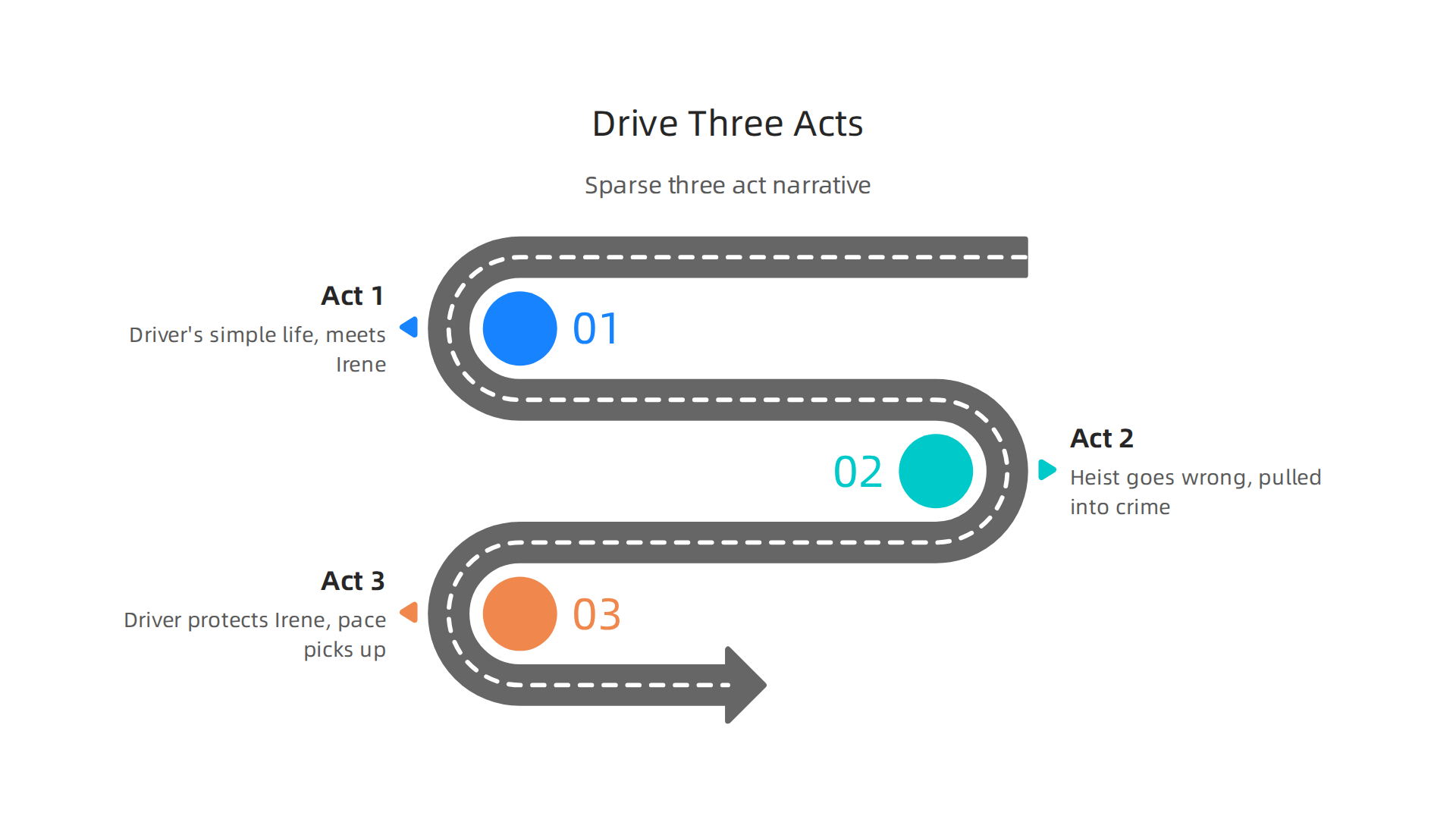
Have you ever watched a movie where almost nothing happens for a long time, and then suddenly everything happens? That is exactly how Drive works. Director Nicolas Winding Refn builds the story on a three-act structure that is deliberately sparse.
There are long stretches of silence. Only a few key plot beats move the story forward. Most action thrillers would pack in more twists and dialogue. Drive trusts you to pay attention to the quiet moments.

The first act sets up Driver’s simple life. He works as a stunt driver and a getaway driver. He meets his neighbor Irene. They share slow, awkward conversations. The plot barely moves. But this calm is necessary. According to the Drive beat sheet, the film uses "minimalist storytelling and razor-sharp pacing" to build tension.

The quiet moments make the later violence feel earned.
Then comes the second act. The heist goes wrong. Driver gets pulled into a world of crime. But here is where Drive subverts your expectations. The criminal underworld is not glamorous. It is messy, dangerous, and sad. The bad guys are not cool. They are desperate and cruel. The film shows violence with muted realism. There are no fancy car chases with slick music. Instead, there is a slow elevator ride and a sudden, brutal act. The Tribeca article calls this "a precision of framing and minimalist tension." The film does not glorify crime. It shows the ugly reality.
This brings us to the third act. Driver has to protect Irene and her son. The pace picks up. But the film never rushes. Every scene of violence comes after a long period of calm. That is the secret. The slow build makes the sudden impact hit much harder. You feel every punch, every knife, every crash because you were not numb from constant action. The pacing is a narrative tool itself. It controls your heartbeat.
If you love films that break genre rules with quiet confidence, you might also enjoy exploring hidden horror gems that use similar restraint. And if you want to discover more movies that master this kind of storytelling, we have you covered.
Browse Lists for expertly curated recommendations that respect your time and your brain.
Visual Storytelling: Cinematography and Color Palette in Drive
You could watch Drive with the sound off and still understand the story. The visual language does all the heavy lifting. Cinematographer Newton Thomas Sigel and director Nicolas Winding Refn turned Los Angeles into a neon-lit character of its own. The city glows with artificial light. Deep blues, hot pinks, and sickly yellows flood every frame. This is not an accident. Every color choice pushes you deeper into Driver’s cold, lonely world.
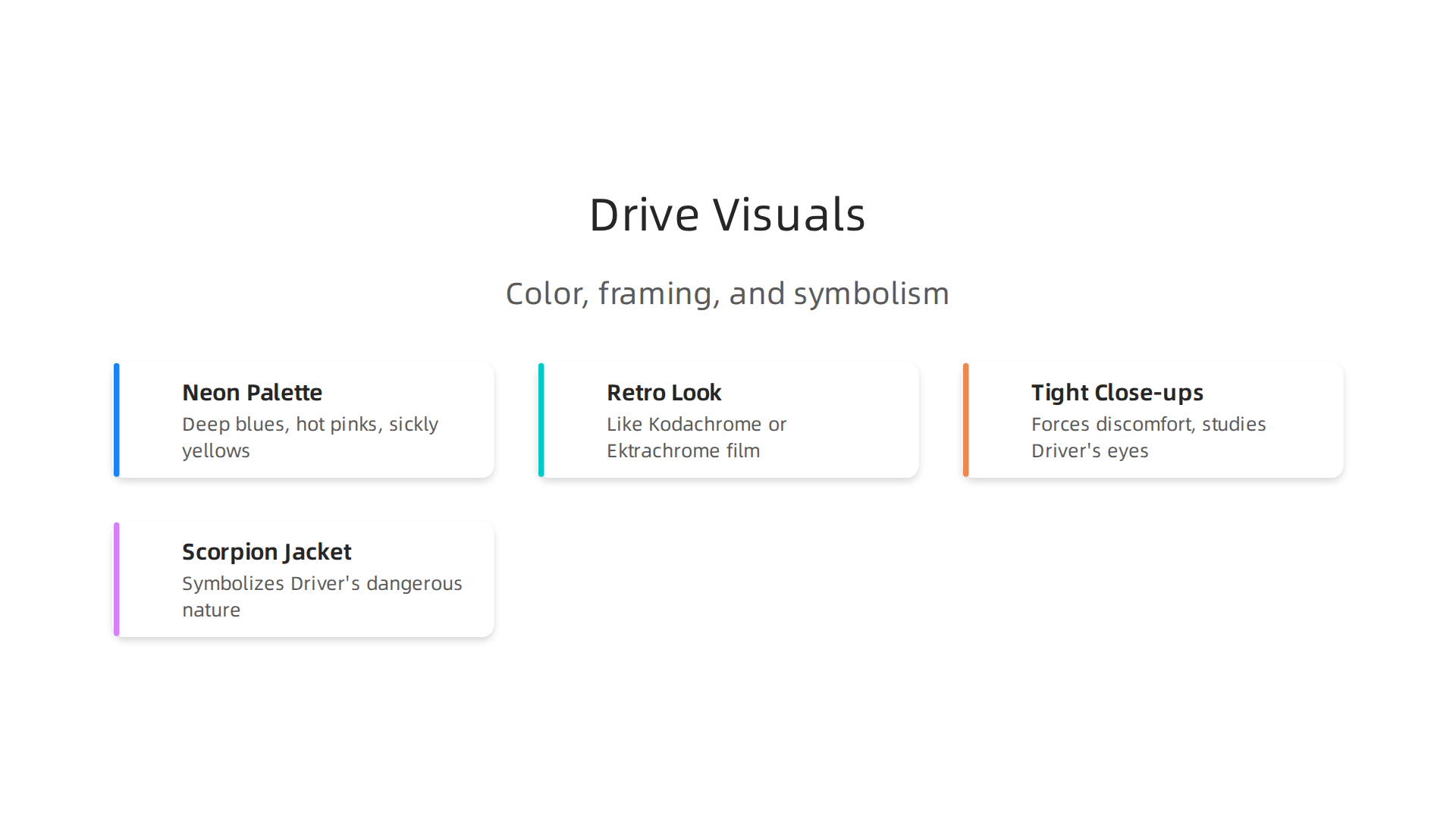
Sigel built the look by borrowing from retro photography. In an interview with the American Society of Cinematographers, he mentioned using color palettes that felt like Kodachrome or Ektrachrome film stocks. This gives the night scenes a rich, almost dated texture. You feel like you are watching a lost 80s crime film. The result is a neo-noir mood that feels fresh and nostalgic at the same time. The Raindance article calls it a fantastic study in economic shot usage and thoughtful composition.
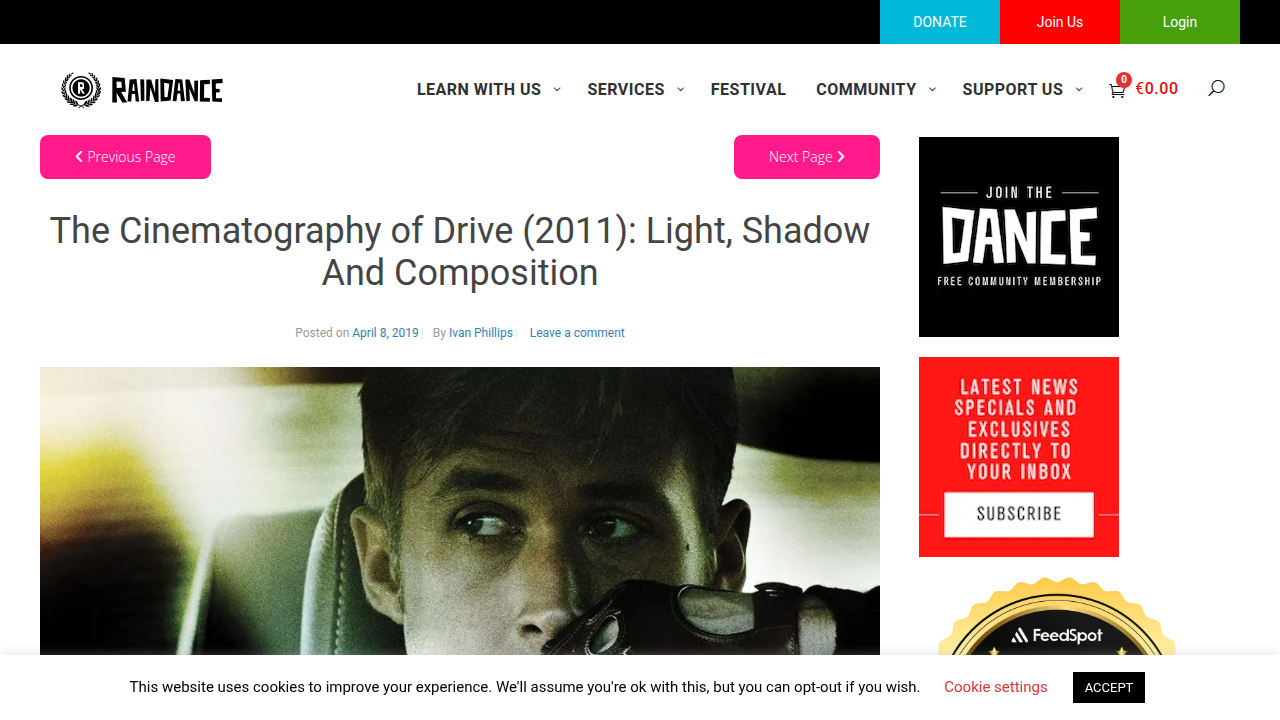
Every frame is lean.
Now look at the framing. Sigel uses tight close-ups on faces, especially during quiet moments. He holds the shot long enough to make you uncomfortable. You study Driver’s eyes, his slight frown, the way he sits still. And then, in the violent scenes, the camera stays just as tight. You do not get a wide, safe view of the action. You are right there, watching the brutality. This technique forces you to sit with the discomfort. There is no escape. It is a masterclass in using simple shots to control your emotions.

The most famous visual choice is Driver’s scorpion jacket. It is pale white with a gold scorpion on the back. That jacket stands out against the dark, saturated background like a warning sign. The color hex palette of the film shows that the jacket’s white and gold contrast with deep teal, hot pink, and blood red. The scorpion symbolizes Driver’s nature. He is dangerous, but he only strikes when provoked. The colors tell you this before any character says a word.
If you love films that use color and imagery to tell a story without dialogue, you might enjoy exploring hidden horror gems that rely on the same kind of visual atmosphere. And if you want more hand-picked recommendations like this one, we have you covered.
Browse Lists for expertly curated selections that match your taste.
Sound Design and Score: How Music Defines the Film’s Mood
You already know the neon colors of Drive pull you into Driver’s lonely world. But what you hear matters just as much. Actually, sometimes it matters more. The sound design in this film is not background noise. It is a full character.
Composer Cliff Martinez created a score that blends electronic synth beats with subtle sound textures. In an interview, Martinez explained that his music walks a fine line between melody and sound design. The result feels like a heartbeat for the movie. Every chord pulses with tension. The retro synth sound pulls you straight back to 1980s thrillers. You can feel the influence of early electronic composers. This is not just music playing over scenes. It is a precise tool that syncs with every change on screen. A review on Star’s End notes that the music is composed in exact sync with the images and action. You hear it, and you feel the mood shift before anything happens on screen.
But here is the thing. The silence in Drive hits even harder than the music.
Think about the elevator kiss. The scene strips away almost all sound. There is no score. No engine hum. Just the soft click of the elevator door and a few muffled whispers. The silence makes the moment feel raw and dangerous. You hold your breath along with the characters. That quiet space lets the emotion land without any distractions. A sound analysis on Jonathan Lack’s blog points out that inside Driver’s car, there is silence. Only ambient noise and the first synth chords break it. Silence becomes a weapon. It forces you to pay attention to small sounds: a footstep on concrete, the squeak of a leather jacket, the faint rumble of a distant engine.
The film also plays with diegetic and non-diegetic sounds. You hear the roar of the Chevy Malibu’s engine as Driver speeds through Los Angeles. That engine is part of the story world. But the synth score floats above it, telling you how to feel. Muffled conversations in the background make the streets feel alive. The sound team blended these layers so carefully that you barely notice them. But your brain does. They pull you deeper into Driver’s head.
If you love films that use sound and silence as storytelling tools, you might enjoy our list of best sci-fi films 2026 and hidden gems you must stream. Many of them use similar tricks to build mood without a single line of dialogue.
For more hand-picked recommendations like this one, Browse Lists and find your next obsession.
Character Study: The Driver as an Archetype of the Modern Anti-Hero
You just felt how sound and silence shape the mood of this drive movie. But the real anchor is the man behind the wheel. The Driver has almost no backstory. He does not have a real name. He barely speaks. And that is exactly what makes him unforgettable.
His near silence turns him into a blank canvas. You project your own feelings onto him. He could be any quiet person you know. But he also holds a violent edge. A film review on Craig’s Film Reviews calls him a likeable guy who wants to do good but is destroyed by his addiction. That addiction is speed. And violence. The Driver lives in a world of criminals, but he has his own code. He helps Irene because she is kind to him. He does not ask for anything in return. That makes him an antihero you root for even when he does bad things.
Think about his costume. The white scorpion jacket is not just a fashion choice. It is a symbol. The scorpion stings when threatened. Driver does the same. His driving gloves and slow walk tell you he is in control. Every movement is measured. Every look says something. A character analysis on The Artifice notes that Driver exists in a universe full of antagonists. He is the only one who tries to be good. But he is not a traditional hero. He fails. He hurts people. He cannot save Irene’s husband cleanly. The film subverts the classic hero’s journey. Driver wants a simple life, but his past pulls him back in.
Ryan Gosling once described the Driver as a man who "watches too many movies" and confuses his life with a film, as Hughes Reviews reports. That line sums up the whole character. He acts like a movie hero, but the real world is messier. This drive movie flows like a quiet river until it bursts into violence. It is a perfect example of a flow movie where every detail matters, from the wrinkles in his jacket to the way he looks at Irene.
If you love characters that break the mold, you will want more recommendations like this. Browse Lists and discover your next favorite antihero.
Themes of Isolation, Masculinity, and Morality
The Driver lives a life that looks cool on the surface. He drives fast. He wears a stunning jacket. He works alone. But his isolation is a double-edged sword. On one hand, it gives him total freedom. He answers to no one. On the other, it steals real human connection. His apartment is bare. He has no friends. The only time he opens up is behind the wheel or when he helps Irene. This loneliness is part of what makes him an existential hero. He searches for meaning in a world that feels empty. A deep analysis of the film calls Drive an exploration of existential angst and our desire to find purpose through our choices. That search keeps him going, but it also keeps him separate from the warmth most people crave.
Now look at masculinity. The Driver is the picture of the strong, silent type. He does not talk about his feelings. He shows love through actions, not words. But here is the problem. The only emotion he knows how to express is violence. When he gets angry or protective, he breaks bones. He cannot simply say "I care about you." Instead, he hurts people to protect Irene. That is a dark version of masculinity. It is the stoic hero who can only communicate through fists and knives. A film review notes that Gosling plays a likable guy who wants to do good but is destroyed by his addiction to speed and violence. That addiction is not just to driving. It is to the only way he knows how to connect. The movie does not celebrate this. It shows the damage.
Morality in this drive movie is painted in shades of gray. The Driver has his own code. He will never harm women or children. He tries to help Irene and her son. He even risks his life for them. But that same man works as a getaway driver for criminals. He smashes heads with a hammer. He lies and steals when it serves his purpose. A character analysis points out that the Driver exists in a universe full of antagonists, and he is the only one trying to do good. But he fails at being a traditional hero. His moral line is thin. The film asks a hard question: Can you be a good person when your job is built on crime? There is no easy answer.
These themes of isolation, toxic masculinity, and blurred morality make Drive more than a stylish car chase.
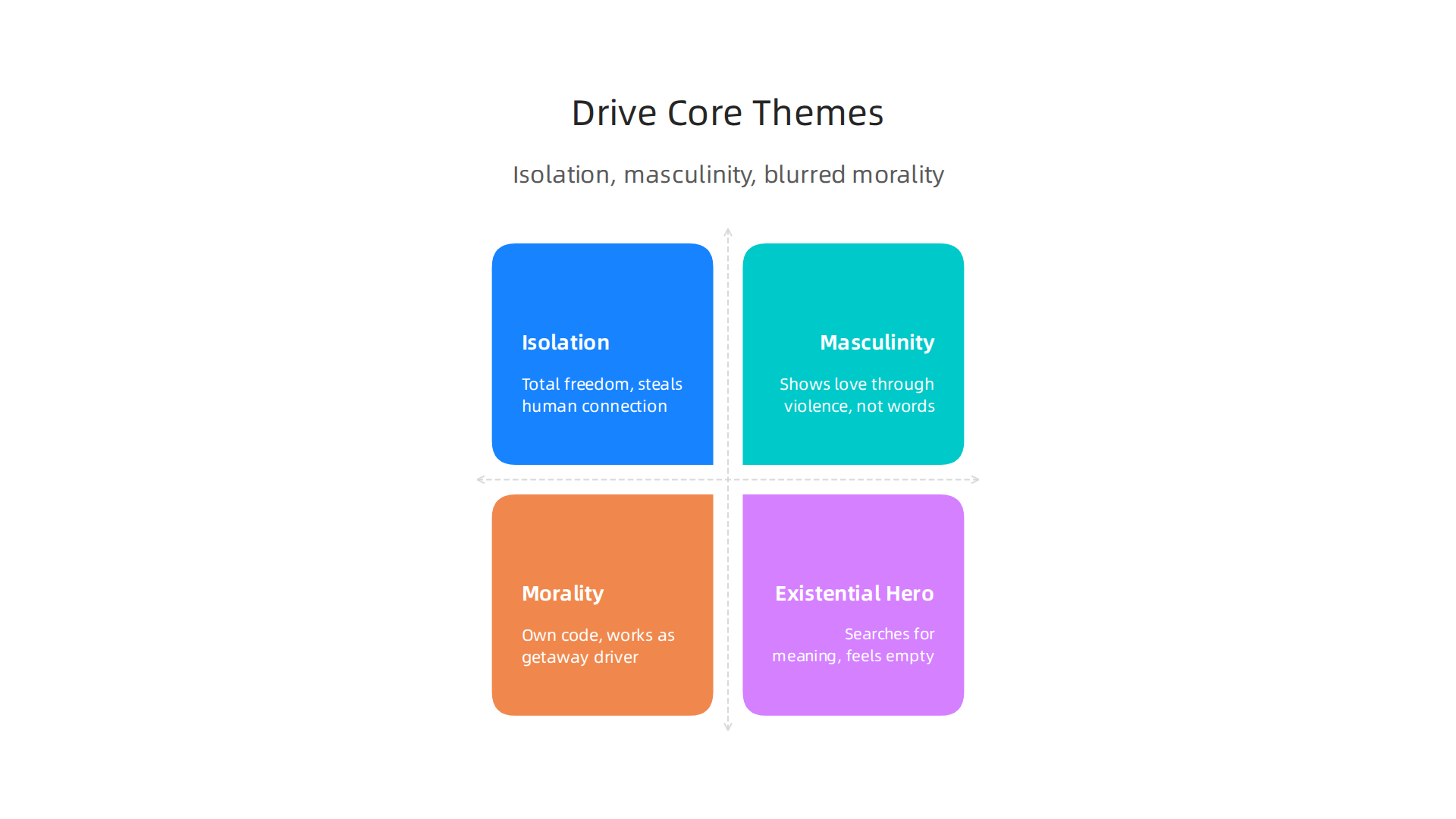
It is a flow movie where every quiet moment and every burst of violence means something. The Driver cannot escape his loneliness. He cannot express love without blood. And he cannot cleanly separate right from wrong. That is what makes the film stick with you.
If you love movies that dig into deep themes like this, you will find more treasures on our site. Browse our curated lists to discover your next favorite film with real emotional weight.
Critical and Cultural Impact: Why Drive Endures
When Drive first hit the Cannes Film Festival in 2011, the crowd did not know what to think. Some people actually booed. The slow, quiet opening felt boring to them. Then came the sudden, brutal violence. It was jarring. But the critics who paid attention saw something special. Nicolas Winding Refn won Best Director that year. Slowly, the buzz grew. By the time the movie came out in theaters, it had become a must-see. Today, it is widely called a modern classic.
What changed? People realized the movie was more than a cool car chase. It was a piece of art. The cinematography uses bold colors and careful lighting to tell the story. An article on the film’s cinematography notes how creative lighting and thoughtful composition make every shot count. Another analysis looks at the movie’s limited color palette and how those colors carry meaning. That visual style did not just impress critics. It changed how other movies and even video games look. Hotline Miami, a hit video game, took direct inspiration from the pink neon and the retro feel. You can see Drive’s DNA in later thrillers and neo-noir films. Its influence is everywhere.
The movie also built a cult following that keeps growing. Streaming services helped new fans discover it. On social media, cinephiles still debate every scene.

They call it a flow movie because the pace feels hypnotic. Some even rank it as a goat movie in the neo-noir genre. The combination of a simple story, deep themes, and a killer soundtrack makes it endlessly rewatchable. Whether you are watching it for the first time or the tenth, it hits different.
If you enjoy uncovering hidden film treasures like Drive, you will love exploring more of our curated lists. Browse Lists to find your next unforgettable movie.
Summary
This article is a close reading of Drive (2011), showing how the film uses minimalist storytelling, precise visuals, and careful sound design to create long-lasting emotional and cinematic impact. It explains how director Nicolas Winding Refn and cinematographer Newton Thomas Sigel use neon color palettes, tight framing, and retro film references to turn Los Angeles into a character, while Cliff Martinez’s synth score and long stretches of silence control the audience’s pulse. The piece breaks down the three-act structure and pacing choices that let rare bursts of violence feel earned, and it analyzes the Driver as a modern anti‑hero whose silence, costume, and moral code drive the film’s themes of isolation and toxic masculinity. The article also traces Drive’s cultural influence, from festival reaction to inspiration across movies and games, and points readers to curated lists and related films to explore the same techniques in other genres. After reading, you’ll understand the specific cinematic tools that make Drive a